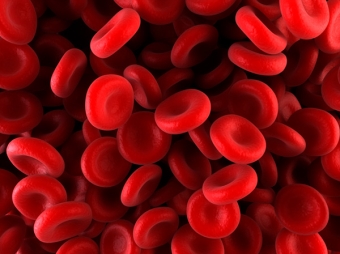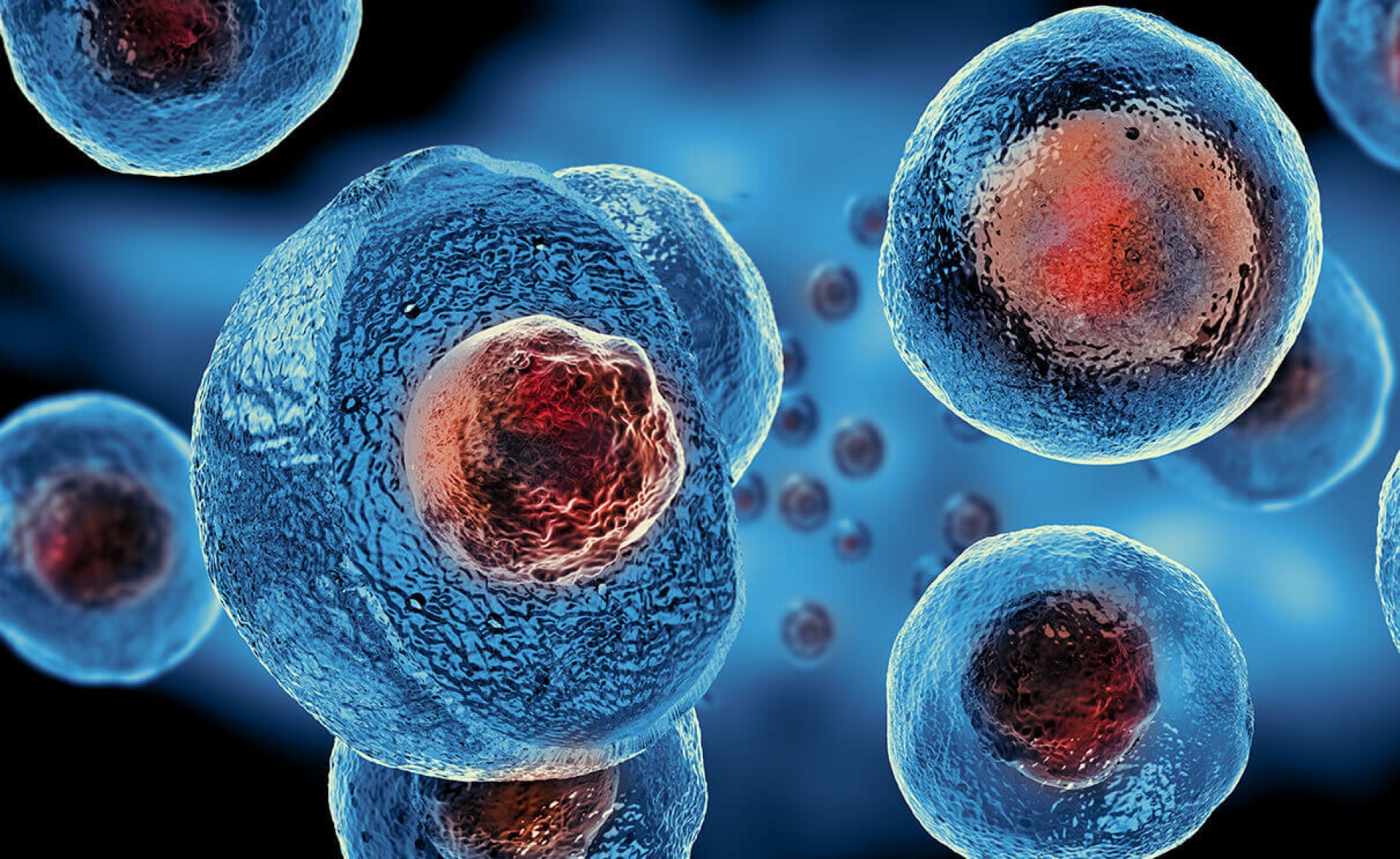
What is a Stem Cell? Stem cells are special cells that play an important role in the body's regeneration and repair mechanisms. They stand out with their abilities to self-renew and transform into different cell types according to needs. While embryonic stem cells can transform into all cell types in the body, adult stem cells usually participate in the regeneration of a specific tissue or organ. In medical research and treatments, stem cells have great potential in repairing damaged tissues and treating diseases. Their use in improving complex organs such as the eyes, heart, and nervous system is becoming increasingly widespread. Stem cells are undifferentiated cells that act as the body's internal repair system through their abilities to self-renew and transform into different cell types. Embryonic stem cells (ESCs) are pluripotent cells that can transform into almost any cell type and hold significant potential in research and treatment applications. Adult stem cells (e.g., hematopoietic stem cells found in bone marrow), on the other hand, participate in the regeneration of a specific tissue and usually transform into cells specific to the tissue of their origin. Additionally, induced pluripotent stem cells (iPSCs) are obtained by reprogramming adult cells into an embryonic-like state, which reduces ethical concerns and allows for patient-specific treatments. Stem cells offer significant potential in treating a wide range of conditions such as diabetes, Parkinson's disease, spinal cord injuries, and even heart diseases. In particular, these cells can significantly improve patients' quality of life thanks to their capacity to regenerate damaged tissues and restore their functionality. For example, in diabetes treatment, stem cells can replace insulin-producing pancreas cells, while in Parkinson's disease, they make the regeneration of dopamine-producing neurons possible. However, alongside these methods, treatments lacking sufficient scientific basis and not conducted in compliance with ethical rules carry serious health risks. Careless applications can lead to problems such as infections, organ damage, or uncontrolled growth of stem cells. For this reason, it is of great importance that stem cell treatments are applied only by experienced specialists within the framework of approved protocols. For a safe and effective treatment process, patients are required to make informed choices and closely follow scientific developments.
What are the Application Areas of Stem Cell Therapy? Stem cell therapy aims to repair damaged tissues, improve organ functions, and support the body's natural regeneration processes. With eye stem cell therapy, the goal is to repair corneal damages and treat retinal degeneration in eye health. The stem cells used have the potential to prevent and improve vision loss. In hair loss treatment, stem cells reactivate hair follicles to stimulate natural hair growth. In bone marrow transplants, hematopoietic stem cells are used to restart the production of blood cells, and this method plays a critical role in the treatment of cancer types such as leukemia and lymphoma. Additionally, in heart diseases, stem cells can regenerate damaged heart tissues, in spinal cord injuries, they can repair nerve cells, and in joint diseases, they can support the regeneration of cartilage tissue. These treatment methods offer a wide application area targeting the regeneration of different organs and tissues. Stem Cell Therapy in Eye Health Stem cell therapy offers a promising solution in the field of eye health, especially for serious conditions such as corneal damages and retinal degeneration. Stem cells are used to regenerate damaged corneal cells or repair impaired cells in the retinal layer. This treatment draws attention with its potential to prevent vision loss and restore visual acuity. This method, which requires advanced technology and expertise, provides a revolutionary development in vision problems. Stem Cells in Hair Loss Treatment In hair loss treatment, stem cells reactivate hair follicles to re-stimulate natural hair growth. This method offers an effective solution, especially in androgenetic alopecia and trauma-related hair loss. Stem cells ensure the renewal of damaged cells in hair roots and revitalize the natural cycle of hair. As a result, stem cell therapy offers a non-surgical and long-term treatment option for both women and men. Stem Cell Therapy in Bone Marrow Transplant Bone marrow transplantation is one of the most common areas where stem cells are used in the treatment of blood disorders such as leukemia, lymphoma, and anemia. Hematopoietic stem cells replace damaged or non-functioning bone marrow cells to restart the production of healthy blood cells. This method is of critical importance in strengthening the immune system and reducing the negative effects of chemotherapy used in cancer treatments. Stem Cell Therapy in Heart Diseases In the treatment of heart diseases, stem cells are used to regenerate damaged heart tissues and improve heart functions. In particular, they stimulate the formation of new muscle tissue in areas damaged after a heart attack. This treatment method offers a promising alternative in cases where traditional drug and surgical methods are insufficient and can improve patients' quality of life. Stem Cell Therapy in Spinal Cord Injuries In spinal cord injuries, stem cells are used to repair nerve cells and re-establish nerve connections. This method draws attention with its potential to reduce the risk of paralysis and restore motor functions. Stem cell therapy is a great ray of hope, especially for patients experiencing loss of mobility due to trauma or degenerative diseases. Stem Cell Therapy in Joint and Cartilage Diseases Stem cell therapy plays an important role in the treatment of joint and cartilage diseases, especially conditions like osteoarthritis (wear and tear) seen in the knee joint. This treatment provides the regeneration of damaged cartilage tissues, alleviating joint pain and increasing mobility. Stem cell injections applied to the knee joint offer a natural healing process without the need for surgical intervention. The treatment aims both to reduce pain and preserve the functionality of the joint. Especially in age-related joint degenerations and sports injuries, stem cell therapy offers patients a long-term and effective solution. Stem Cell Therapy in Blood Diseases Blood diseases are the area where stem cell therapy first began to be applied and remain one of the most common areas of use. Bone marrow is the main structure responsible for producing healthy blood cells. However, in some cases, this function may be disrupted, and the body cannot produce healthy blood cells. Stem cell therapy steps in at this point, providing healthy cells in place of the bone marrow. In blood cancers such as leukemia, healthy cells can also be damaged during chemotherapy or radiotherapy. In this case, stem cell transplantation ensures that the bone marrow produces blood cells again. In lymphoma patients, stem cells are used to re-regulate the healthy functioning of the immune system. Stem Cell Therapy in Neurological Diseases Neurological diseases are generally conditions where nervous system tissues are damaged or degenerative processes progress. Treatment of these conditions is usually difficult, and existing methods are mostly aimed at alleviating symptoms. However, stem cell therapy offers a promising option in the treatment of these diseases by directly targeting damaged nerve tissues. In Parkinson's disease, the dopamine-producing cells of the brain are damaged. Stem cell therapy can repair these cells or produce new ones in their place. This can contribute to improving motor control and reducing the symptoms of the disease. In multiple sclerosis (MS) patients, the immune system attacks nerve cells and destroys the myelin sheath. Stem cell therapy re-regulates the immune system and supports myelin repair. This condition can slow down the progression of the disease and allow the recovery of certain neurological functions.
How is Stem Cell Therapy Applied? Stem cell therapy is generally performed in three basic stages: preparation, application, and follow-up. First, the patient's general health status and treatment requirements are evaluated. Then, stem cells are collected using an appropriate method according to the source of the stem cells (e.g., from the patient's own tissues or donors). These cells are multiplied in a laboratory environment to make them ready for treatment. In the application stage, stem cells are usually injected directly into the damaged area or transplanted through a surgical procedure. In the post-treatment process, the patient's response to treatment is monitored regularly, and additional support treatments are applied if necessary. This process is meticulously carried out to ensure the effectiveness and safety of the treatment.
Risks and Side Effects of Stem Cell Therapy Stem cell therapy is an innovative method that can offer effective results in many diseases. However, like any medical treatment, stem cell therapy can carry certain risks and side effects. This situation may vary depending on the type of treatment, the patient's general health status, the stem cell source used, and the preparation methods applied. Especially in allogeneic stem cell transplants, the interaction of the donated cells with the patient's immune system can lead to certain risks. Additionally, since the immune system is suppressed during the treatment process, problems such as infections can become more widespread. Although risks and side effects are managed carefully, it is important that patients are informed about these possible conditions prior to treatment. The possible risks and side effects of stem cell therapy can be listed as follows: Graft-versus-host disease (GVHD): Occurs as a result of donated cells attacking the patient's tissues. Infection risk: The risk of infection increases because the immune system is suppressed. Organ damage: Chemotherapy and radiotherapy can harm organs. Bleeding: Bleeding risk occurs due to low platelet levels. Allergic reaction: May develop against the drugs used or the donated cells. Nausea and vomiting: Among the frequent side effects related to the treatment. Fatigue and hair loss: May occur due to physical stress during treatment. Autoimmune responses: Rarely, the immune system may attack healthy tissues. Every risk and side effect is monitored and managed by specialists during the treatment process. In this way, patient safety can be ensured at the highest level during treatment.
Frequently Asked Questions About Stem Cell Therapy Which Diseases
Are Treated With Stem Cells? Stem cell therapy is widely used in blood disorders such as leukemia, lymphoma, and sickle cell anemia. It also holds promise in the treatment of neurological diseases such as Parkinson's, multiple sclerosis, and spinal cord injuries. It is also an effective method in orthopedic problems such as cartilage damage, osteoarthritis, and sports injuries.
What is Stem Cell Therapy? Stem cell therapy is a treatment method where stem cells are used to repair damaged or diseased tissues. These cells have the ability to transform into different cell types in the body and regenerate. Stem cells, usually obtained from bone marrow, peripheral blood, or umbilical cord blood, are used in the treatment of various diseases.
Is Stem Cell Therapy Dangerous? Although stem cell therapy carries certain risks, it is generally a safe method when planned carefully. Especially in allogeneic transplants, risks related to the immune system or the risk of infection may occur. These risks can be minimized with the control and follow-up process of specialist doctors.
What is the Lifespan of Stem Cell Therapy? The effect of stem cell therapy varies depending on the type of disease and the success of the treatment. In blood diseases, stem cells can continue blood cell production for a lifetime. In neurological or orthopedic treatments, results depend on the patient's general condition and the post-treatment recovery process. Is Stem Cell Therapy a Definitive Solution? Although stem cell therapy gives effective results in some diseases, it may not always offer a definitive solution. The success rate of treatment depends on the type and stage of the disease. This method generally aims to stop the progression of the disease or alleviate symptoms.
How Is Stem Cell Therapy Performed? Stem cell therapy is applied in the form of administering stem cells via the intravenous route depending on the type of disease. Stem cells are usually collected from bone marrow, peripheral blood, or umbilical cord blood. After treatment, stem cells initiate the regeneration process by repairing damaged tissues in the body.